If you’ve attended one of my presentations, you may remember a slide that said, “Avoid NSAIDs for this fracture.” An attendee asked why—and I didn’t have an evidence-based answer ready. I had carried a practice pattern into my teaching without adequately examining the evidence behind it. I’m sorry for presenting that advice without the context it deserved. Thank you to the clinician who asked the question!
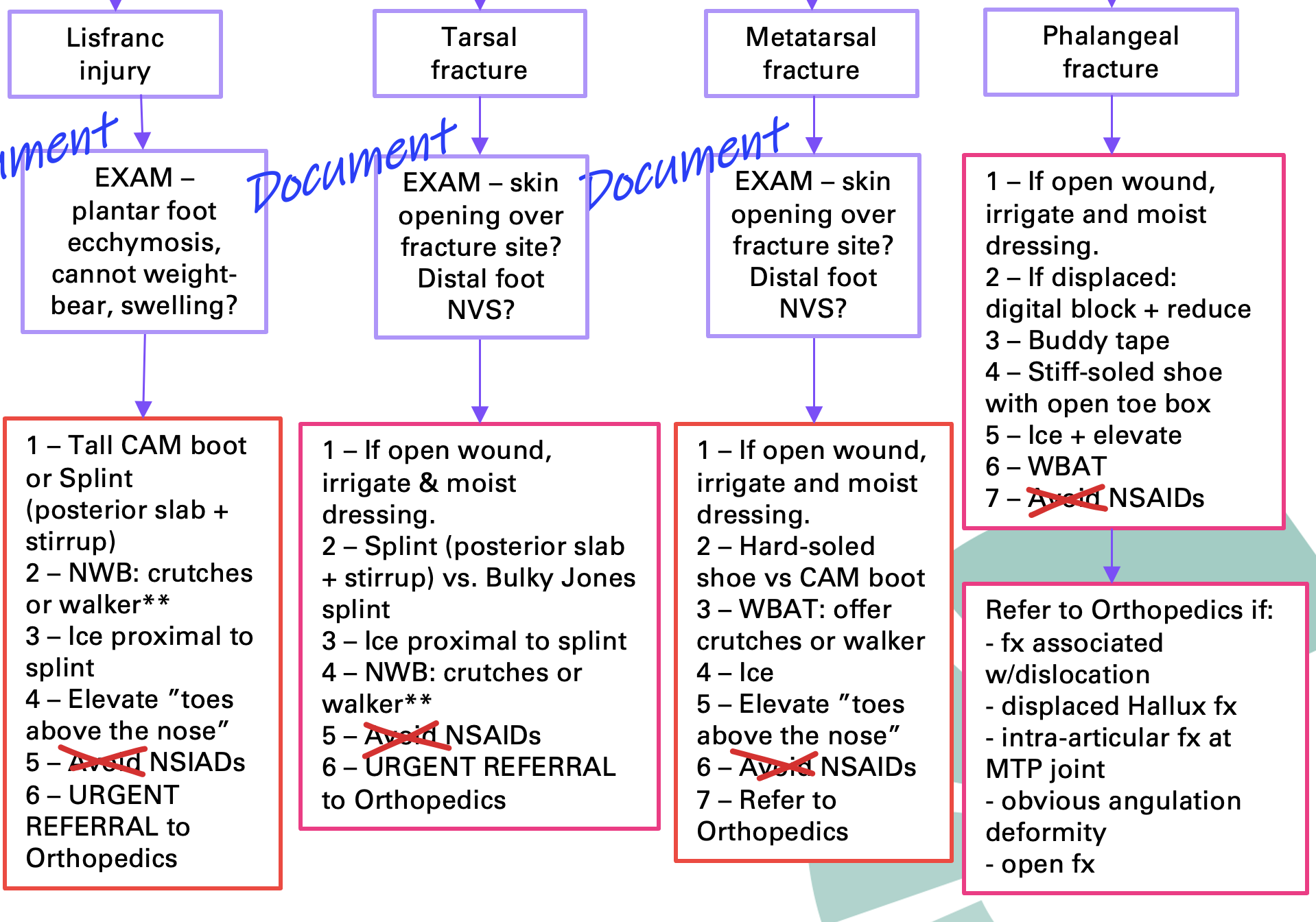
A recent umbrella review and reconstructed meta-analysis in JAAOS offers a more nuanced picture. Across 38 primary studies, NSAID exposure was associated with higher nonunion risk overall, particularly in adults and long-bone fractures. However, short-term use—14 days or less—was not associated with increased nonunion risk. Higher doses and prolonged use remain concerns, and limitations in the evidence mean we should avoid declaring NSAIDs universally safe or unsafe. My updated takeaway: consider duration, dose, fracture characteristics, and the patient’s individual risks—including the usual NSAID contraindications.
Evidence-based care means being willing to question what we’ve learned—and what we teach. Please keep asking “why?” and holding each other accountable. That absolutely includes me. It helps us become better clinicians, better educators, and better advocates for our patients.
Reference: Komargodski R, et al. NSAID Use and Bone Healing: An Umbrella Review with a Reconstructed Meta-Analysis. J Am Acad Orthop Surg. 2026;34(21):e3178-e3188. View abstract on PubMed.